Saturday, August 31, 2024

Thinking About Moving to the Philippines? More things to consider

Cost of Living

The cost of living in the Philippines is generally lower compared to Western countries. According to Expats dot com, for a family of four, monthly expenses can be around One hundred twenty thousand pesos, while a single person might spend about fifty thousand. At today’s conversion rate, fifty thousand pesos is just less than nine hundred dollars. These numbers, costs and comparisons depend upon the lifestyle that you choose to live.

Major cities like Manila and Cebu have higher living costs, but they are still more affordable than many cities in the US, UK, or Australia. For instance, it is estimated that living in Manila is 55% cheaper than in Virginia Beach, USA.


Culture

Filipino culture is rich and diverse, influenced by a mix of indigenous, Spanish, and American traditions. Family is central to Filipino life, and gatherings often revolve around food and celebrations. Filipinos are known for their hospitality, resilience, and strong community spirit, often referred to as bayanihan. The Philippines also boasts the longest Christmas season, starting as early as September when decorations start popping up everywhere.


Language

The Philippines is home to over 130 languages, with Filipino, based on Tagalog and English as the official languages. English is widely spoken, making it easier for expatriates to communicate and integrate. Laws and legal processes are written and conducted in English. Regional languages like Cebuano and Ilocano are also prevalent, reflecting the country's linguistic diversity.


Religion

As the only predominantly Christian nation in Asia, over 80% of Filipinos identify as Roman Catholic. There is also a significant Muslim population, especially in Mindanao, and various Protestant denominations. Religious festivals and church activities play a significant role in daily life.


Transportation

Transportation in the Philippines includes iconic jeepneys, buses, tricycles, and a developing rail system in Metro Manila. While public transport is affordable, traffic congestion can be challenging, especially in urban areas. The country has numerous airports, facilitating domestic and international travel.


Medical Assistance and Health Care

The healthcare system in the Philippines is a mix of public and private services. Public hospitals focus on primary care, while private hospitals offer specialized services. The Universal Health Care Law ensures that all Filipinos have access to healthcare services under PhilHealth, the national insurance program. Medical costs are generally lower compared to Western countries, and the country is emerging as a medical tourism destination. Tourists and temporary visitors sometimes purchase short term travelers’ medical insurance that includes airfare back to their home countries in the event of an extreme medical emergency,


Crime

The crime rate in the Philippines is believed to have decreased in recent years, with significant improvements under the current administration. While petty crimes can occur, especially in crowded areas, violent crime rates are relatively low. It's essential to stay informed about local safety advisories and exercise common precaution.


Politics

The political landscape in the Philippines is complex, shaped by a history of colonialism, dictatorship, and democratic transitions. The country operates under a presidential system with three branches of government: executive, legislative, and judicial. Here, we'll explore some key political dynamics and issues facing the nation today.


Political Structure


Executive Branch

The President of the Philippines serves as both the head of state and government, elected for a six-year term without the possibility of re-election. President, Ferdinand "Bongbong" Marcos Jr., took office in 2022. The Vice President, elected separately, is Sara Duterte, daughter of former President Rodrigo Duterte.


Legislative Branch

The bicameral Congress consists of the Senate and the House of Representatives.

Senators serve six-year terms, while House members are elected for three years.


Judicial Branch

The judiciary is formally independent, with the Supreme Court as the highest body. However, according to some reports, there are concerns about its independence due to political influences and corruption.


Current Political Issues


1. Human Rights and Governance

The Philippines faces significant human rights challenges, including extrajudicial killings, particularly related to the controversial "war on drugs" initiated by former President Duterte. While President Marcos Jr. has shown a more measured approach, issues persist.


2. Political Corruption

According to the BTI Transformation Index, corruption remains a problem, affecting various levels of government. The judiciary is sometimes criticized for being susceptible to bribery, which undermines the rule of law.


3. Geopolitical Tensions

The Philippines' territorial disputes in the South China Sea, particularly with China, continue to be a critical issue. According to reports from the Atlantic Council, the country's foreign policy has seen shifts, with Marcos Jr. moving closer to the United States, contrasting with Duterte's previous pro-China stance.


4. Media and Freedom of Expression

According to reports from the East Asia Forum, freedom of the press is under threat, with increased attacks on journalists and media outlets. The rise of social media has also led to the spread of misinformation and political propaganda.


5. Political Parties

The political party system in the Philippines is often criticized for being personality-driven rather than policy-oriented. According to the Asian News Network, parties tend to be transient and lack strong ideological foundations, which affects their ability to implement long-term policies.


Political Landscape and Future Outlook

Elections and political maneuvering typically play a significant role in shaping the Philippines' future. The country's political scene is characterized by a vibrant civil society and contested elections, but elite control and human rights issues remain significant challenges.


As the Philippines navigates these complexities, the role of political parties, civil society, and international partnerships will be crucial in fostering a more stable and democratic political environment. Tourists and visitors may wish to steer clear of involvement in political affairs.


Regional Comparison

The over seven thousand islands that make up the entirety of the country are separated into three general geographic areas: the Northernmost area of Luzon, the Central Visayas, and the Southern region of Mindanao.


Luzon 

Luzon is the home to the capital, Manila.Luzon is an economic and political hub. It offers urban conveniences and historical sites like Intramuros. Baguio and Tagaytay are popular for their cooler climates.


Visayas

The Visayas area is known for its stunning beaches and vibrant festivals. Popular Islands in the Visayas include Cebu, Bohol and many other islands. The region is a mix of urban and rural settings, offering a laid-back lifestyle with modern amenities.


Mindanao

The southern are of Mindanao is rich in natural resources, Mindanao is less developed but offers opportunities for adventure and investment. Cities like Davao are known for safety and cleanliness, while areas like Cagayan de Oro are growing economically.

Each region offers unique experiences, from the bustling city life in Luzon to the serene beaches in Visayas and the adventurous landscapes of Mindanao.


Conclusion

The Philippines is a captivating destination for those looking to relocate.

With its affordable cost of living, rich culture, and welcoming communities, it offers a unique blend of modernity and tradition.

Whether you're drawn to the vibrant city life or the tranquil island setting, the Philippines has something for everyone.


Citations:


https://expats.com

https://typeset.io/questions/what-are-the-top-political-issues-facing-the-philippines-in-2jrbry3xfu

https://asianews.network/transforming-the-philippine-political-landscape/

https://bti-project.org/en/reports/country-report/PHL

https://www.atlanticcouncil.org/blogs/new-atlanticist/the-philippines-domestic-politics-are-the-wildcard-in-its-trilateral-partnership-with-the-us-and-japan/

https://en.wikipedia.org/wiki/Government_of_the_Philippines

https://eastasiaforum.org/2024/01/19/politics-and-press-under-pressure-in-the-philippines/

https://www.hrw.org/world-report/2024/country-chapters/philippines


Tuesday, August 27, 2024

Philippines - Unusual Laws that You Should Know


The Philippines, known for its vibrant culture and breathtaking landscapes, also has a legal system with some unique and unusual laws. Understanding these laws can help visitors navigate the local environment and avoid unintentional legal issues. Here, we delve into several unusual laws that visitors to the Philippines should be aware of, providing a comprehensive overview of their implications and penalties. 

1. Unjust Vexation

One of the more peculiar laws in the Philippines is the "unjust vexation" law. Under Article 287 of the Revised Penal Code, a person can be charged with unjust vexation for actions that annoy or irritate others. This law is quite broad and subjective, allowing individuals to file complaints against someone who simply annoys them. The penalty for unjust vexation can range from imprisonment for one day to 30 days or a fine of up to 200 pesos[2][3].

While the law might seem trivial, it underscores the importance of maintaining respectful interactions with locals. Visitors should be mindful of their behavior, especially in public spaces, to avoid inadvertently annoying someone and facing legal consequences.

2. Offending Religious Feelings

The Philippines is a predominantly Catholic country, and religious sentiments are taken very seriously. Article 133 of the Revised Penal Code criminalizes acts that offend religious feelings, particularly if these acts occur in places of worship or during religious ceremonies. Violators can face arresto mayor, which means imprisonment from one month and one day to six months[3][4].

This law highlights the importance of respecting religious practices and spaces in the Philippines. Visitors should exercise caution and sensitivity when discussing or engaging with religious topics to avoid offending locals and potentially facing legal repercussions.

3. Election Tie-Breakers: Tossing a Coin

In the event of an election tie, Philippine law allows for the tie to be broken by drawing lots or tossing a coin. This method, outlined in the Omnibus Election Code, might seem unusual for such a critical decision-making process. However, it is a legally sanctioned practice in the Philippines[3].

While this law may appear whimsical, it reflects the country's pragmatic approach to resolving electoral deadlocks. Visitors interested in the political landscape of the Philippines might find this aspect of the electoral process both fascinating and peculiar.

4. Family Immunity from Criminal Liability

Another unusual aspect of Philippine law is the immunity granted to family members for certain crimes. According to Article 332 of the Revised Penal Code, family members, including spouses, ascendants, descendants, and in-laws, are not criminally liable for theft, swindling, or malicious mischief committed against each other. The rationale behind this law is to preserve family harmony and solidarity[2].

This legal provision might surprise visitors, as it contrasts with the legal systems in many other countries where family members can be held criminally liable for such offenses. Understanding this law can provide insight into the cultural importance of family in the Philippines.

5. Marriage Extinguishes Criminal Liability of Rape

Under Republic Act 8353, the Anti-Rape Law of 1997, there is a provision that allows the subsequent marriage between the offender and the victim to extinguish the criminal action or penalty imposed. This law is rooted in a Spanish-era provision that aimed to preserve family unity by allowing marriage to absolve certain crimes like seduction, abduction, and rape[2].

This law can be particularly shocking to visitors, as it contradicts modern views on justice and victims' rights. It highlights the complex interplay between traditional values and contemporary legal standards in the Philippines.

6. Excessive Penalties for Libel

The Philippines has stringent libel laws, which have been criticized for being excessive and outdated. Under Article 355 of the Revised Penal Code, libel is punishable by imprisonment or a hefty fine. The Cybercrime Prevention Act of 2012 further extended these penalties to online libel, leading to concerns about freedom of expression and the potential for abuse by public officials[2].

Visitors, especially those active on social media, should be cautious about making defamatory statements online, as they could face severe penalties under Philippine law.

7. Restrictions on Widows Remarrying

Historically, widows in the Philippines were prohibited from remarrying within 301 days of their husband's death. This law, found in Section 351 of the Revised Penal Code, was intended to prevent disputes over paternity in cases where the widow might be pregnant. Although this law was repealed in 2015, it serves as an example of the outdated and gender-biased legal provisions that have existed in the country[3].

Conclusion

These unusual laws in the Philippines reflect the country's unique cultural and social values. For visitors, being aware of these laws can help ensure a respectful and trouble-free stay. Whether it's avoiding unjust vexation, respecting religious sentiments, understanding the quirky election tie-breaker process, or recognizing the legal nuances of family immunity, a little knowledge goes a long way in navigating the legal landscape of this vibrant nation. By understanding these laws, visitors can appreciate the cultural context and historical influences that shape the legal system in the Philippines.

Citations:
[1] https://www.prisonersabroad.org.uk/blog/5-laws-to-watch-out-for-in-the-philippines
[2] https://filipiknow.net/weird-laws-in-the-philippines/
[3] https://www.metroscenemag.com/2022/07/5-weird-laws-in-philippines.html
[4] https://www.bananaqpodcast.com/e/ep-112-weird-laws-in-the-philippines/

Monday, August 26, 2024

Tips for Relocating to the Philippines


Foreigners considering relocation to the Philippines often have a variety of common questions. Here are some of the most frequently asked inquiries:

Visa and Immigration

  1. What type of visa do I need to move to the Philippines?
    Foreigners must obtain the appropriate visa before relocating. Options include tourist visas, work visas, student visas, and retirement visas, each with specific requirements and durations[1][2][3].
  1. How long can I stay in the Philippines?
    U.S. citizens can stay for up to 30 days without a visa, but longer stays require a visa that can allow for indefinite residence depending on the type chosen[2][3].
  1. How do I apply for a work visa?
    To work in the Philippines, a foreigner must secure a job offer and apply for a Foreign Work Permit (FWP) and an Alien Employment Permit (AEP) through their employer[2][3][6].

Cost of Living and Lifestyle

  1. Is the cost of living affordable?
    Many expats find that they can enjoy a higher quality of life for less money compared to their home countries, particularly in terms of housing and food costs[1][2][3].
  1. What is the healthcare system like?
    The healthcare system in the Philippines is often regarded as below average compared to Western standards. Many expats opt for private health insurance to ensure better care[7].
  1. What about housing options?
    Housing varies widely, from affordable apartments to luxury condos. It is advisable to research neighborhoods thoroughly before committing to a long-term lease[3][7].

Cultural Adaptation

  1. Will I be able to communicate with locals?
    English is widely spoken due to historical ties with the U.S., making it relatively easy for foreigners to communicate in most areas[1][2].
  1. What are the cultural norms I should know?
    Understanding local customs, such as the concept of "Filipino Time" (a more relaxed approach to punctuality), can help in adapting to life in the Philippines[7].

Education and Family

  1. Are there good schools for my children?
    The Philippines has several international schools that offer various curricula, making it a viable option for expatriate families[3].
  1. What should I know about local safety?
    While many areas are safe, some regions may have higher crime rates. It's important to research specific neighborhoods and stay informed about local conditions[5].

Miscellaneous

  1. What are the transportation options?
    Public transport can be unreliable, and many expats recommend having a personal vehicle or using ride-sharing services like Grab for convenience[5].
  1. How do I manage my finances?
    Opening a local bank account can be challenging without being physically present in the Philippines, but services like Wise can facilitate international money transfers and spending in pesos[2][3].

These questions reflect the primary concerns of foreigners looking to relocate to the Philippines, covering essential aspects of immigration, lifestyle, cultural adaptation, and practical living considerations.

Citations:
[1] https://siam-relocation.com/expatriation-guide/moving-living-philippines/
[2] https://wise.com/us/blog/moving-to-the-philippines-as-an-american-full-guide-2023
[3] https://www.april-international.com/en/long-term-international-health-insurance/guide/checklist-before-moving-to-the-philippines
[4] https://www.expat.com/forum/viewtopic.php?id=930124
[5] https://www.reddit.com/r/Filipino/comments/1ae9vcs/where_can_i_find_natives_who_like_to_answer/
[6] https://www.expatarrivals.com/answer/questions-about-moving-philippines
[7] https://www.movehub.com/us/international-moving/philippines/things-to-know/
[8] https://www.expatforum.com/threads/relocating-to-the-philippines-guide.1531686/


Sunday, August 25, 2024

Filipinos Repatriated from the Notorious Golden Triangle "Special Economic Zone"

The Philippine government initiated the repatriation of Filipino workers from Laos following a crackdown on cyber scams in a controversial special economic zone. This zone, located near the borders of Myanmar and Thailand, has become notorious for illegal activities.

On August 12, Laotian authorities arrested 771 individuals from 15 different countries at the Golden Triangle Special Economic Zone in Bokeo province. This area has been identified as a hub for illicit activities, including drug smuggling and gambling, since its establishment in 2007. The arrested individuals were primarily from Laos, Myanmar, and China, but also included nationals from countries such as India, Indonesia, the Philippines, and Vietnam.

In response to the arrests, a team from the Philippine embassy in Vientiane was dispatched to Bokeo to assist in the release and repatriation of distressed Filipino workers. The Philippine Department of Foreign Affairs reported that they have responded to 129 requests for assistance and have already repatriated seven Filipinos. Plans are underway to bring home an additional 75 individuals. The department emphasized its commitment to aiding any remaining Filipinos in the Golden Triangle and is actively collaborating with Lao authorities to ensure their safety.

The crackdown highlights ongoing concerns about the Golden Triangle Special Economic Zone, which hosts numerous Chinese-owned casinos and hotels and has seen a significant increase in criminal activities over the years. The Philippine government continues to work closely with Lao authorities to address the situation and ensure the well-being of its citizens abroad.

Citations:
[1] https://www.thejakartapost.com/world/2024/08/24/philippines-flies-workers-home-after-laos-cyber-scam-crackdown.html

Saturday, August 24, 2024

Camiguin - Adventure & Culture - Philippines


Camiguin, an island province in the Philippines, is renowned for its stunning natural beauty and rich cultural history. Located in the Bohol Sea, about 10 kilometers off the northern coast of Mindanao, Camiguin is the second smallest province in the Philippines, both in terms of land area and population[2][3].

Natural Attractions

Camiguin is often referred to as the "Island Born of Fire" due to its volcanic origins. The island is home to seven volcanoes, including the active Hibok-Hibok Volcano, which offers adventurous hiking opportunities[3]. The island's volcanic landscape has given rise to numerous hot and cold springs, such as Ardent Hot Springs and Sto. NiƱo Cold Springs, which are popular among visitors for their therapeutic properties[1][3]. Additionally, Camiguin boasts beautiful waterfalls like Tuasan Falls and Katibawasan Falls, as well as pristine beaches and sandbars, such as the White Island sandbar and Mantigue Island[1].

Cultural and Historical Sites

Camiguin is steeped in history, with remnants of its Spanish colonial past still visible. Notable historical sites include the Guiob Church Ruins and the Sunken Cemetery, a hauntingly beautiful site marked by a large cross that stands as a reminder of the 1871 volcanic eruption that submerged the area[1][4]. The island also features colonial-era ancestral homes that reflect the unique blend of Filipino and Spanish architectural influences[1].

Local Culture and Festivals

The island's culture is a mix of indigenous and colonial influences. The primary language spoken is Cebuano, although English and Tagalog are also widely understood[2]. The Lanzones Festival, held in October, is a vibrant celebration of the island's bountiful harvest of lanzones, a tropical fruit. This festival is an excellent time to experience the local culture and traditions[3].

Travel and Accommodation

Camiguin is accessible by air and sea, with direct flights from Manila and Cebu, as well as ferry services from nearby islands like Bohol[3][5]. The island's compact size makes it easy to explore, with options to rent motorcycles or multicabs for transportation[5]. Accommodation ranges from budget-friendly inns to more upscale resorts, primarily located in the capital, Mambajao[5].

Overall, Camiguin offers a unique blend of natural beauty, historical intrigue, and cultural richness, making it a must-visit destination for those seeking both adventure and relaxation in the Philippines.

Citations:

Friday, August 23, 2024

One Person Corporation (OPC) in the Philippines

The One Person Corporation (OPC) in the Philippines, introduced under the Revised Corporation Code (RCC) in 2019, is a business structure that allows a single individual, trust, or estate to form a corporation without the need for multiple shareholders or a board of directors. This structure is particularly beneficial for both local and foreign entrepreneurs who wish to establish a business in the Philippines, offering a blend of the agility of a sole proprietorship with the limited liability of a corporation[1][2][3].

Key Features of the OPC

  • Single Shareholder Structure: An OPC can be formed by a natural person, trust, or estate, acting as the sole shareholder, director, and president of the corporation. This setup provides complete control over business decisions without the need for consensus from other shareholders or a board of directors[1][2][3].
  • Limited Liability: The OPC structure ensures that the shareholder's liability is limited to their capital contribution, protecting personal assets from corporate debts and obligations. This is a significant advantage over sole proprietorships, where personal assets can be at risk[4][5].
  • No Minimum Capital Requirement: There is no mandatory minimum capital requirement for forming an OPC, making it accessible for small and medium-sized enterprises (SMEs) and startups[1][3][5].
  • Perpetual Existence: Unlike traditional corporations that had a limited lifespan, OPCs can exist perpetually unless otherwise specified in their Articles of Incorporation[1][4].

Foreign Ownership and Restrictions

Foreign nationals are allowed to establish an OPC in the Philippines, with the possibility of owning up to 100% of the corporation. However, this is subject to the Foreign Investment Negative List (FINL), which outlines specific industries where foreign ownership is restricted or prohibited. These restrictions are in place to protect certain sectors deemed critical to national interests[2][3][6].

Registration and Compliance

To set up an OPC, the incorporator must register with the Securities and Exchange Commission (SEC), providing necessary documents such as the Articles of Incorporation and appointing a nominee and alternate nominee. These nominees are responsible for managing the corporation in the event of the shareholder's death or incapacity[1][2][3].

OPCs are also required to comply with various reportorial requirements, including submitting annual audited financial statements and disclosing related party transactions. These compliance measures ensure transparency and accountability in corporate operations[2][7].

Conclusion

The OPC framework in the Philippines offers a streamlined and flexible option for both local and foreign entrepreneurs to establish a business. By combining the benefits of limited liability and full control, the OPC is an attractive vehicle for small and medium enterprises looking to enter or expand in the Philippine market. However, potential investors must consider industry-specific restrictions and ensure compliance with regulatory requirements to fully leverage this corporate structure[1][3][5].

Citations:
[1] https://philippinesbusinessregistration.com/company-registration/one-person-corporation/
[2] https://barrozolaw.com/one-person-corporation-a-unique-corporate-vehicle/
[3] https://emerhub.com/philippines/one-person-corporation-philippines-guide/
[4] https://www.filepino.com/pros-cons-in-setting-up-an-opc-in-the-philippines/
[5] https://emerhub.com/philippines/legal-entity-types-in-the-philippines/one-person-corporation-in-the-philippines/
[6] https://www.healyconsultants.com/philippines-company-registration/one-person-corporation/
[7] https://saklawph.com/opc/
[8] https://www.linkedin.com/pulse/one-person-corporation-opc-philippines-gateway-local-foreign-ph-bi4jc

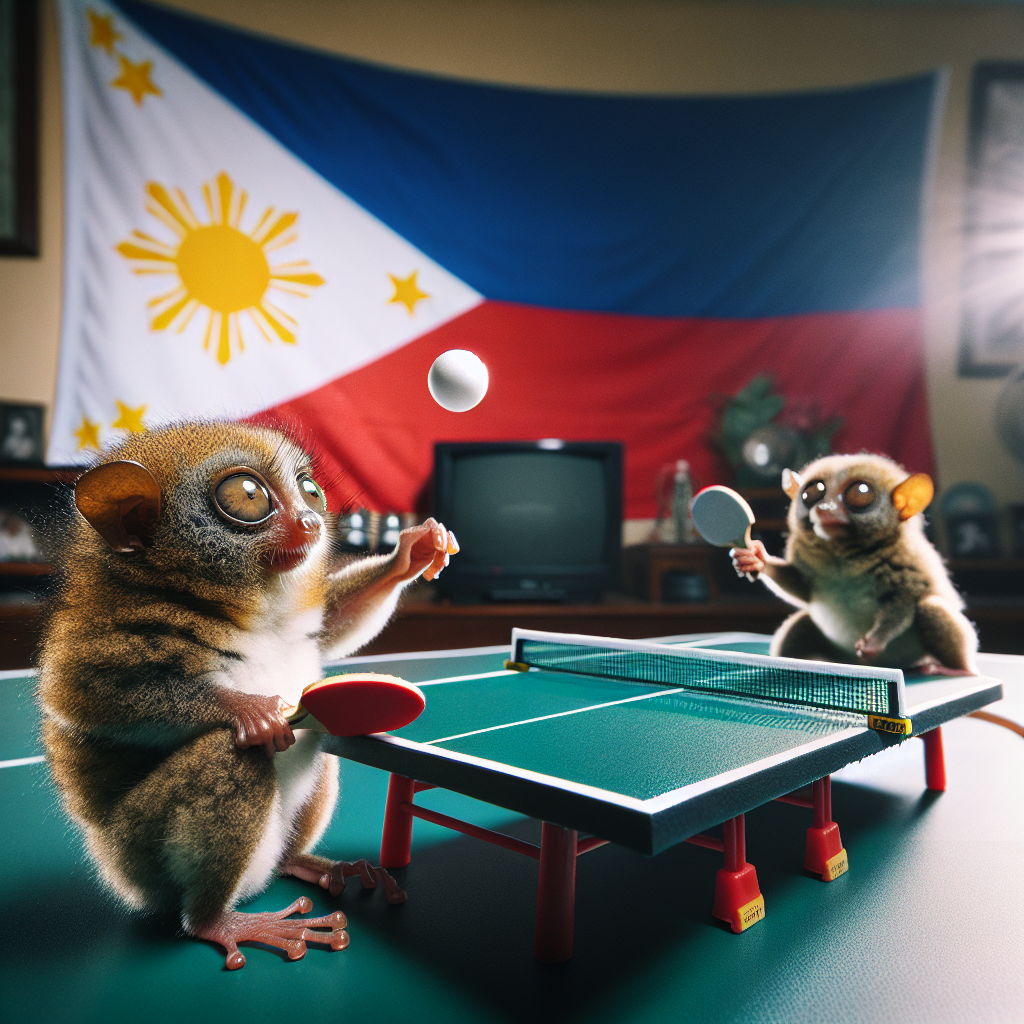
Tarsier - World's Smallest Primate - Can they play Table Tennis?


Fun Facts About Tarsiers

  1. Unique Name Origin: The name "tarsier" comes from their long tarsal bones (ankle bones), which are adapted for leaping.

  2. Small Size: Tarsiers are among the smallest primates, measuring about 9.5 to 14 cm (3.7 to 5.5 in) in height and weighing between 80 to 180 grams (3.6 to 6.3 oz) [1][3].

  3. Enormous Eyes: Tarsiers have the largest eyes of any mammal relative to their body size, with each eyeball measuring about 16 mm in diameter and weighing nearly as much as their brain [2][5].

  4. Exceptional Leapers: They can leap over 5 meters (about 16 feet), which is more than 40 times their body length, thanks to their long hind limbs and specialized leg muscles [2][3].

  5. Nocturnal Lifestyle: Tarsiers are nocturnal, relying on their large eyes and acute hearing to hunt insects and small vertebrates at night [1][4].

  6. Head Rotation: They can rotate their heads 180 degrees in each direction, allowing them to see in all directions without moving their bodies [2][4].

  7. Carnivorous Diet: Tarsiers are the only entirely carnivorous primates, primarily eating insects but also preying on small birds, snakes, and lizards [2][3].

  8. Sticky Fingers: Their long fingers are tipped with sticky pads, aiding in climbing and grasping branches, while the second and third fingers have claws for grooming [1][2].

  9. Social Behavior: While some tarsiers are solitary, others, like the Eastern tarsier, live in small family groups. They communicate with a variety of vocalizations [2][3].

  10. Unique Reproductive Traits: Tarsier babies are born relatively large, weighing 25-30% of the mother's body weight. They are furred and can climb trees within a day of birth [2][5].

  11. Habitat Preferences: Tarsiers are found in dense forests and scrublands of Southeast Asia, particularly in the Philippines, Borneo, and Sulawesi [3][4].

  12. Threats to Survival: They face significant threats from habitat loss due to deforestation and agricultural expansion, making them vulnerable to extinction [3][4].

  13. Fossil Record: Tarsiers were once widespread across the globe, with fossils found in Asia, Europe, and North America; today, they are restricted to Southeast Asia [2][5].

  14. Territorial Behavior: Tarsiers are territorial and may fight to the death to defend their territory. Males can exhibit infanticide behavior if they perceive a threat to their territory [6].

  15. Lifespan: In the wild, tarsiers typically live for 12 to 20 years [3][5].

  16. Unique Brain Structure: Tarsiers have a distinctive brain structure that differs from other primates, indicating a unique evolutionary path [2].

  17. Vocal Communication: They are known for their vocalizations, which vary between species and can include alarm calls to warn of predators [2][6].

  18. Cultural Significance: Tarsiers are often featured in local folklore and are considered a symbol of wildlife conservation in their native regions [6].

  19. Conservation Efforts: Various organizations are working to protect tarsiers and their habitats, emphasizing the importance of preserving their ecosystems [3][6].

  20. Endangered Status: Many tarsier species are classified as endangered or vulnerable due to habitat destruction and the illegal pet trade [3][5].

  21. Table Tennis: It is estimated that it may take several million years of evolutionary development for the Tarsier to develop the ability to play table tennis. Watch for Tarsiers in the Olympics for Table Tennis in the year 1,002,024.

Citations:
[1] https://study.com/academy/lesson/tarsier-monkeys-habitat-diet-facts.html
[2] https://marybatessciencewriter.com/home/2015/11/02/the-creature-feature-10-fun-facts-about-tarsiers
[3] https://factanimal.com/tarsier/
[4] https://seaworld.org/animals/facts/mammals/western-tarsier/
[5] https://a-z-animals.com/animals/tarsier/
[6] http://www.tarsierfoundation.com/the-philippine-tarsier/the-tarsiers-of-bohol
[7] https://www.treehugger.com/tarsiers-cool-facts-about-these-wonderfully-weird-primates-4864006
[8] https://www.animalia.bio/philippine-tarsier?collection=20

Philippines News Round-Up for September 2024

  Hello and welcome to the September 2024 roundup of news from the Philippines. U.S. Dollar to Philippine Peso Conversion rate The current U...